


New Build vs Old House: 7 Questions to Help You Decide

How To Spot Red Flags When Buying A House
June 20, 2025
7 Key Factors That Affect Your Property Maintenance Costs
July 25, 2025
Buying a home is an exciting experience. But there are bound to be several questions. One of the first decisions you will need to make is whether to purchase a newly built house or an older one. Some buyers are drawn to the sleek design and low maintenance of new builds, while others value the character and history found in older homes.
But which one is best for you?
To determine which option is right for you, go ahead and read this blog. We’ll go through key questions that address the new build vs old house debate. By the end of the blog, you should be able to make an informed, confident decision.
New Build vs Old House: Questions To Ask Yourself
Whether you fall in love with the polished perfection of a new build or the timeless character of an old house, your choice dictates the way you will live and grow. Let’s take a look at several questions you need to ask yourself. Our answers will discuss both options.
1. What’s My Budget?
The first thing you want to ask is, “How much money do I have?” Your budget will help you decide which property is better.
First, let’s answer this question – “Should I buy a new build?”
New builds often come with a higher upfront cost per square foot, especially when you factor in customization options, upgrades, and landscaping. However, they usually require fewer immediate repairs, reducing your short-term expenses. More importantly, most new builds are available at installment schemes, so making small monthly payments can make these homes more affordable.
On the other hand, older homes can often be more affordable initially, especially if they’re located in established neighborhoods. But be prepared to inspect the home and budget for renovations, repairs, and system updates (think plumbing, wiring, HVAC, or roofing). Over time, those costs can add up.
Key Question:
How old is the house? Am I financially ready to handle potential repair costs with an older home? Or do I prefer the move-in-ready convenience of a new build – even if it costs more upfront?
2. How Important Is Location to Me?
Location is another important factor to consider. If there’s a particular area that you know is ideal for you or your family, it can help you make a decision.
Many new developments are typically located on the outskirts of cities or in expanding suburbs. While these locations may mean longer commutes, they offer countless modern amenities and more space for growing families.
For instance, Chapal Uptown is a recent housing project developed in Scheme 45. It’s ideal for families looking to live an upscale life in a gated community.
On the flip side, older homes are far more readily available in neighborhoods within the metropolis. That means they’re usually in close proximity to city centers. However, this convenience can come at a premium – especially in popular areas.
Key Question:
Would I rather live in a newer, less central neighborhood or be closer to the city center?
3. How Important is Space to Me?
Space is more than just square footage – it’s about how your home supports your lifestyle and how comfortable and functional it feels.
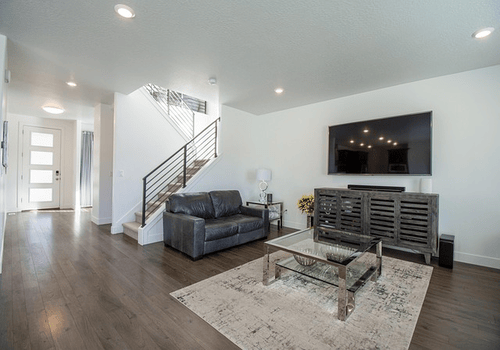
Modern homes are typically designed with open-concept layouts, maximizing usable space. You’ll often find features like kitchen islands, walk-in closets, and larger bathrooms. While property sizes may be smaller, interiors are usually planned for efficiency and flow.
Source: Pixabay
Conversely, older houses may offer larger lots and more rooms, but the layout might feel more segmented, with closed-off kitchens or smaller bedrooms.
Key Question:
Do I need extra rooms for work, hobbies, or guests? Do I value open, airy interiors or prefer more traditional layouts?
If space impacts your daily comfort, hobbies, or future plans, prioritize homes that offer the room you need – even if that means adjusting your location or budget. Having enough space – both inside and out – can dramatically affect the quality of your life.
4. What Kind of Lifestyle Am I Looking For?
Ultimately, your choice between a new build or an old house comes down to how you live your life. Before answering, consider defining your preferences: Is it better to build a house or buy an old one?
If you are a minimalist who wants low maintenance and high efficiency, then a new build may be the way to go. But if you love home improvement projects, enjoy vintage aesthetics, and value location over layout, in that case, an older house might be your dream.
Key Question:
What does my ideal day-to-day life look like in this home? Which type of property brings me closer to it?
5. Do I Want to Customize My Home?
A little personal touch can make a house feel like it’s your home. So, if you’re interested in customization, it’s good to understand your options.
With new constructions, buyers often have the opportunity to choose layouts, finishes, flooring, cabinetry, and even some architectural features. This personalization appeals to those who want their space to reflect their style from day one.
While you can certainly renovate an older house, it often requires more time, money, and permits. Additionally, you may be limited by the home’s structure or historical regulations.
Key Question:
Do I want the freedom to personalize my home before I move in, or am I open to remodeling over time in an existing space?
6. What Timeline Am I Working With?
People buy properties for different reasons. Are you looking for an immediate residence for your family, or are you considering a long-term investment? Your timeframe can help you decide which type of home to choose.
For example, building a home or waiting for one to be completed can take months or even years, depending on construction schedules, material availability, and permitting. If you’re not in a rush, this could be ideal.
But if you need to move soon and need a property that’s ready to live in (even though there might be some cosmetic work required), older homes are a better option. This makes them a good solution for buyers with tight timelines or those relocating for work or school.
Key Question:
Can I afford to wait for a new build, or do I need to move into a home quickly?
7. Am I Considering the Property’s Long-Term Investment Potential?

Source: Pixabay
Even though you’re just thinking about buying a property right now, it’s often wiser to consider its long-term investment potential. So whenever you need to sell the house in the future, at least you’ll be able to make some profit.
Older homes can hold or increase in value – especially if you renovate the property or it’s purchased in a desirable area. However, marketability may be affected if the home needs too much work or lacks modern features.
So, are new builds a good investment?
While newer homes might have a higher purchase price, they often appreciate steadily, especially in growing areas that have experienced urban development. For instance, properties in Scheme 33 and Scheme 45 in Karachi have witnessed a real estate boom in recent years.
Key Question:
Which option aligns better with my property investment goals – predictable appreciation or potential value increase through renovation?
New Home vs Old Home – Final Thoughts
There is no one-size-fits-all answer to the new build vs old house debate. It depends a lot on your budget, lifestyle, goals, and values. By asking yourself the right questions, it can be easier to make a decision that feels right, not just today but for years to come.
At the end of the day, no matter whether you buy an old home or a new one, one of the most important aspects to consider is the reliability of the property developer. And that’s why properties built by Chapal Builders should be on your radar. We have decades of experience developing top-notch properties across Karachi. It’s time you found the right one – one that’s been built by us.