


How to Inspect Building Safety in Karachi: A Complete Checklist

Are Suburbs in Karachi Good for High Rental Yields?
April 10, 2026
Real Estate vs. Other Investments in Karachi: What Investors Prefer in 2026
May 15, 2026
A building can look perfectly fine from the outside and still hide significant problems on the inside. That is one reason the question, ‘How to inspect building safety in Karachi?’ is not to be taken lightly, especially if you are buying, renting, managing, or already living in a property.
Safety is not only about whether a building looks new or well-finished. It goes above and beyond to consider whether the foundation and structure have been planned, built, maintained, and used in a way that reduces risk for the people occupying it.
This is particularly crucial in a city like Karachi, where weather exposure, drainage issues, aging buildings, unauthorized alterations, and poor maintenance can all affect long-term safety. A careful inspection, therefore, needs to go beyond surface-level observations. It should consider structural warning signs, site conditions, legal approvals, maintenance history, and whether the property appears to align with the relevant codes and regulations.
Consequently, a proper checklist matters. It helps you look past paint, polish, and presentation and pay attention to the details that actually affect safety, livability, and peace of mind.
How to inspect building safety in Karachi – Key Considerations
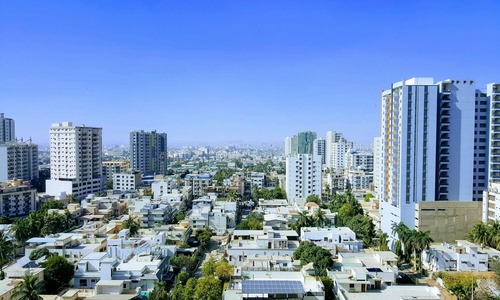
Knowing how to inspect building safety in Karachi starts with looking beyond paint, tiles, and surface finish. A proper review should tell you whether a building is sound, legally compliant, and reasonably maintained for daily use.
Here are the key things you should check before trusting any property with your time, money, or peace of mind.
1. Start with Visible Condition and Overall Maintenance
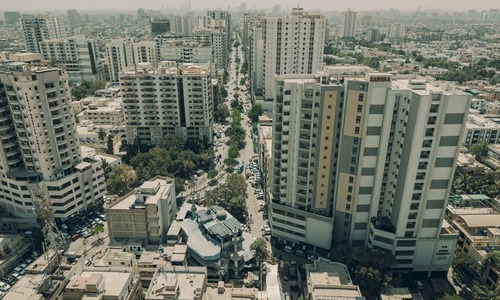
The first thing to check is the part most people overlook because they get distracted by appearance. Start with the foundation itself. That is right, a proper building safety inspection in Karachi should begin by looking at the condition of slabs, beams, columns, walls, staircases, balconies, and the roofline.
But keep in mind that you are not trying to perform an engineer’s full diagnosis on your own. Instead, you are trying to spot whether the building gives you reasons to back off. Uneven floors, exposed reinforcement, water seepage, rust stains, loose parapets, sagging balconies, and deep or spreading cracks are all signs worth taking seriously.
In addition to that, a comprehensive commercial and residential building safety checklist should also include damp areas, settlement marks near the base, broken drainage outlets, and poorly repaired patches that seem to hide older damage.
If the building already looks tired from the outside, do not assume the inside will tell a different story. Walk common areas carefully and make sure to check staircases for movement, railing stability, and water damage. When that is done, look at the basement walls and parking areas for seepage or concrete distress.
Remember, the goal at this stage is simple. You want to know whether the building has been cared for consistently or whether basic maintenance has been ignored long enough to create larger safety concerns. That first impression, when taken seriously, will tell you more than any glossy brochure ever will.
2. Check for Warning Signs That Suggest Deeper Risk
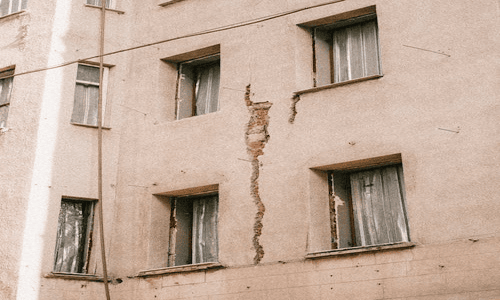
The second item on the checklist is to separate cosmetic wear from warning signs that may point to a more serious problem. Many buyers and tenants see chipped paint or surface stains and assume everything falls into the same category, but it does not.
Some issues are merely aesthetic, while others may be among the real signs of unsafe building structures in Karachi. Cracks that run diagonally across walls, gaps near door frames, noticeable tilting, persistent seepage near columns, or concrete spalling around reinforcement should not be brushed aside as normal aging.
This is also the point where people usually ask who inspects building safety in Karachi. On the regulatory side, SBCA identifies itself as the body responsible for ensuring approvals and plans conform to the applicable building and town planning regulations. In practical terms, though, a buyer or resident should also seek a qualified building consultant when visible warning signs appear. Regulatory oversight and personal due diligence are not the same thing.
If something looks unusual, do not rely on verbal reassurance alone. Ask whether the damage has been assessed professionally, whether repairs were documented, and whether any unauthorized additions or alterations were made. A building can remain occupied and still be developing serious weaknesses. That is why your inspection should focus on what the building is telling you, rather than what the seller or manager says about it.
3. Review Code Compliance, Approvals, and Technical Records
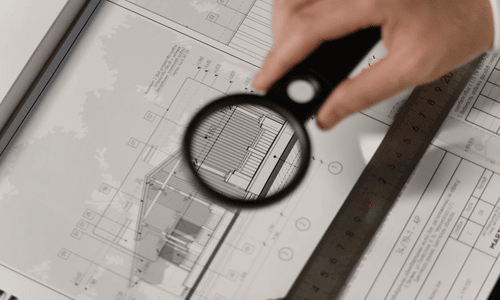
A building can appear stable and still create risk if the approvals, records, and technical details do not line up. That is why the third step on the checklist should focus on documentation. Good inspection practice is not only about what you can see, but also about whether the property appears to follow the construction safety standards in Pakistan. In addition, it is up to you to ensure that its records support what is physically built on site.
So, try to ask for sanctioned plans, completion or occupancy-related documents where applicable, utility approvals, and maintenance records for lifts, fire systems, and water tanks.
This is why a building condition assessment checklist is useful. At the end of the day, it pushes you to compare the building on paper with the building in front of you. At the broader code level, the Building Code of Pakistan (2021) exists as the national framework for building safety requirements and was developed in part to improve life safety after major past disasters.
That background allows you to see that Karachi is not a place where structural diligence should be treated casually. The Building Code of Pakistan materials and related PEC references emphasize life-safety provisions that include structural, fire, and other safety requirements.
If a building owner cannot produce basic approvals or if obvious site conditions do not match the plans, treat that as a serious concern. A safe building is not only one that looks solid, but one that can show a believable compliance trail when you ask the right questions.
A Safe Property Starts With Careful Choices
Knowing how to inspect building safety in Karachi does not mean that you become an engineer overnight. All you need to do is ask better questions, notice the right warning signs, and refuse to let appearance replace due diligence. A careful inspection should look at visible condition, warning signs of more serious damage, code and approval records, and the way the property is actually maintained.
And when you plan to invest in a sturdy property, it also helps to choose a reliable source with a long record of serious development standards and delivery. Chapal Builders presents its history around decades of experience, quality, commitment, and completed residential and commercial projects in Karachi, which is the kind of long-term credibility many buyers understandably value when evaluating where to place their trust.