


Is Buying A New House A Good Investment?

How to Choose the Right Apartment Size in Karachi
December 25, 2025
Choosing the Right Home Builder in Karachi: What Every Homeowner Should Know
January 30, 2026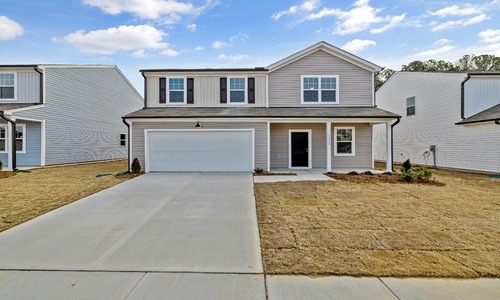
When people step into the property market, one question almost always sparks debate. Is buying a new house a good investment?
At first glance, both the new house and the old ones seem to offer unique advantages. But the right choice often depends on budget, location, and long-term goals. However, when you look deeper and factor in maintenance, resale potential, lifestyle upgrades, and future proofing, newer projects often emerge as the stronger investment.
This property investment comparison becomes especially relevant in growing urban markets. These markets have planned developments and modern infrastructure that are shaping how people live and invest. In this article, we’ll take a detailed look at the investment potential of new and old houses, weighing costs, returns, and lifestyle considerations.
Is buying a new house a good investment–Exploring The Details
Many different factors play a decisive role in determining which option truly delivers value over time. Let’s explore the financial and practical realities behind investing in new versus old homes.
1. Understanding the Core Differences
Before diving into numbers and long-term gains, it’s important to understand what sets a new home apart from an older one. A new home vs old home investment is not just about age; it’s about construction standards, planning, and how well the property aligns with modern living needs.
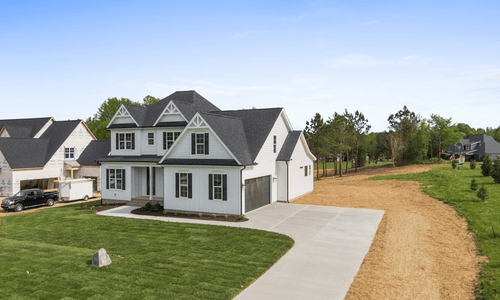
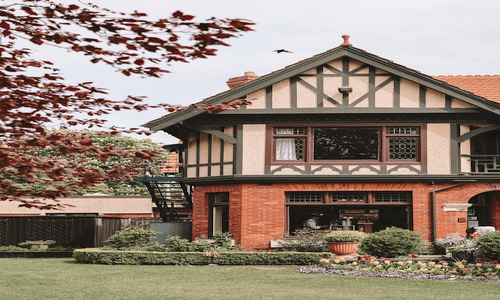
New homes are typically built with contemporary layouts, energy-efficient materials, and updated safety standards. They are designed to meet current buyer expectations, which can make them more attractive in the resale market. Older homes, on the other hand, often carry character and established locations but may come with outdated designs or hidden repair costs.
From an investment standpoint, new homes reduce uncertainty. You know what you’re getting, and you’re less likely to face surprise expenses early on. Older properties can still perform well, but they usually require a more hands-on approach and a clear renovation strategy to stay competitive.
2. Cost, Maintenance, and Peace of Mind|
One of the biggest deciding factors in any real estate decision is cost. When comparing a new construction vs old house, the initial price tag of a new home may appear higher. However, this is where long-term thinking becomes crucial.
New homes generally require minimal maintenance during the first several years. Plumbing, wiring, roofing, and structural elements are all new, which significantly reduces repair expenses. According to industry data, homeowners spend on average 1–4% of their property’s value annually on maintenance. This number is often higher for older homes due to wear and tear.
Older houses may seem budget-friendly at purchase. However, renovation costs can add up quickly. Electrical upgrades, water seepage issues, or outdated layouts can quietly eat into your investment returns. Over time, many investors find that the predictable costs of a new home offer greater financial clarity and less stress.
3. Looking Beyond the Purchase Price
ch

At the heart of the discussion lies the new vs old house cost, and this comparison goes far beyond the sale price alone. A smart investor looks at the total cost of ownership. New homes often benefit from better insulation, energy-efficient fixtures, and modern materials that lower utility bills. Spread over years, these savings can significantly improve the net return on investment. Older homes, especially those not renovated recently, may incur higher electricity, gas, and water costs.
There’s also the question of financing and insurance. Newer properties sometimes qualify for better financing terms and lower insurance premiums because they meet updated safety standards. Even if the upfront cost is higher, when all these elements are added together, new homes frequently prove to be more economical over the long run.
4. Lifestyle and Long-Term Value
A strong new house investment is not just about numbers. It’s also about liveability, community, and future appeal. Modern buyers and tenants increasingly prioritize lifestyle features such as security, green spaces, recreational facilities, and proximity to essentials. When a project is planned around lifestyle needs, it becomes a compelling investment choice that buyers are attracted to and are willing to pay a premium for.
Take Chapal Luxury Villas as an example. Designed as a peaceful sanctuary, this gated community offers an exceptional living experience. It has football and cricket grounds, serene walkways, and a well-equipped clubhouse. Facilities like schools, hospitals, and a mosque make daily life more convenient, while the thoughtfully designed 120 square yards one-unit bungalows reflect modern luxury and comfort. Such features help strengthen long-term demand and value.
5. Resale and Market Demand
Resale value is a key consideration in any real estate decision. Older homes in prime locations still command strong prices. However, new vs old house resale value often favours newer developments, especially in expanding urban areas. Modern projects are built with resale in mind. Clean layouts, parking facilities, elevators, security systems, and shared amenities appeal to a broader audience.
For instance, Chapal Uptown, a great housing project in Scheme 45, stands out for its prime location and comprehensive facilities. With modern designs, spacious rooms, exclusive fittings, and high-quality materials, it caters perfectly to contemporary urban lifestyles. Such features make resale smoother and faster, as buyers recognize the immediate value. Older homes may require upgrades to compete with these standards, which can delay resale and reduce profit margins if not managed carefully.
6. Future Growth
Another major advantage of newer developments lies in their alignment with future growth. Many modern projects are strategically located near emerging neighbourhoods, commercial hubs, and major road networks, enhancing their appreciation potential. Older houses, while charming, may be located in areas where infrastructure development has plateaued, limiting future growth potential.
Final Thoughts
By now, you would have the answer to: Is buying a new house a good investment? While older homes can still work for buyers who value location or character, new projects consistently offer stronger long-term advantages. Lower maintenance costs, better energy efficiency, modern amenities, and higher resale appeal make them particularly attractive in today’s market.
As investors and homeowners, choosing a new property allows us to align financial goals with lifestyle aspirations. At Chapal Builders, our projects are designed to deliver exactly that balance through thoughtfully planned spaces, premium facilities, and locations that promise growth. When it comes to making a confident, future-ready property decision, investing in a well-developed new home is not just a choice; it’s a strategic move toward lasting value and peace of mind.